

WHEN IT MAKES SENSE
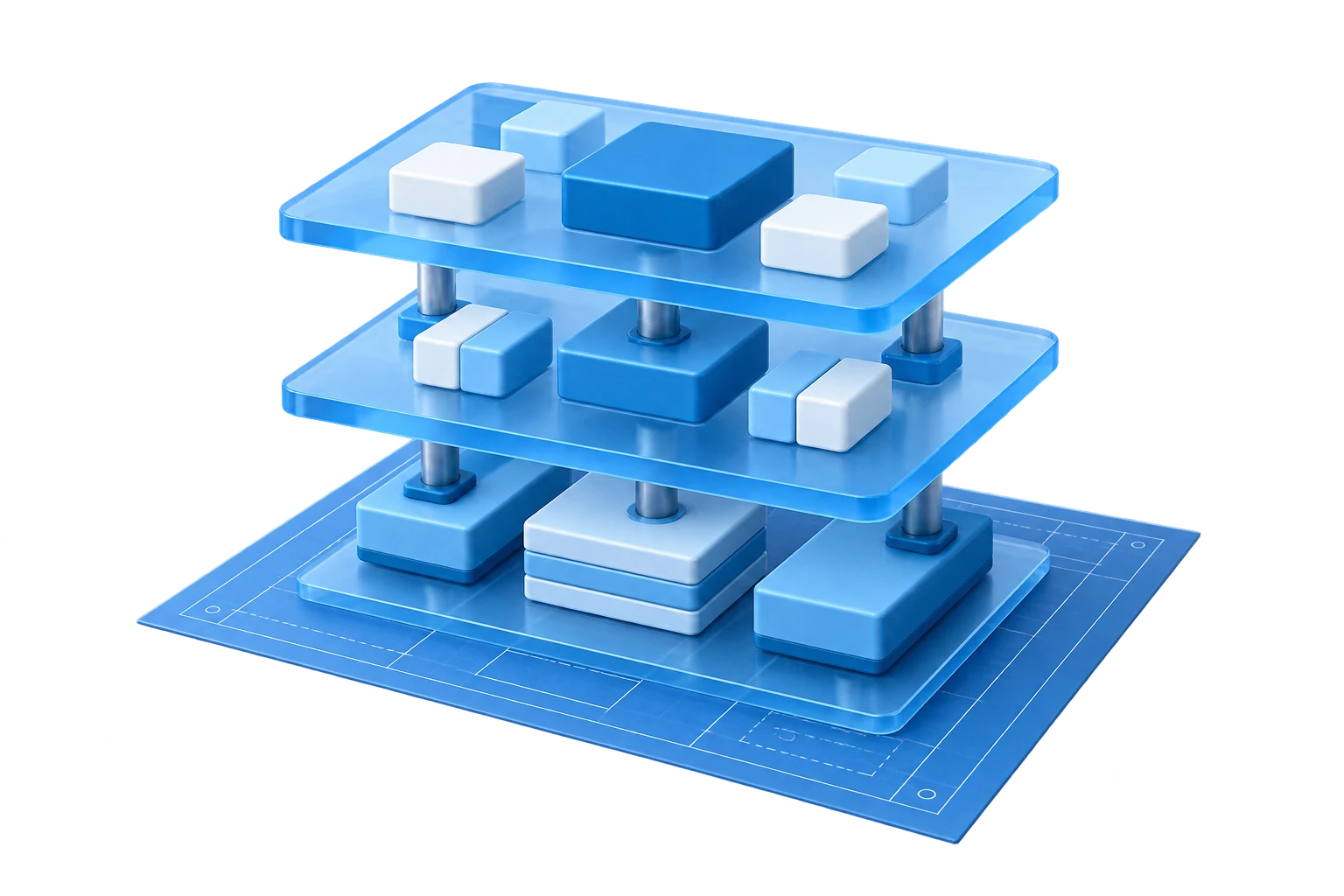
When the main problem is in the solution design, not only in implementation
When systems, services and integrations grew without a clear technical design
We organize responsibilities, contracts and flows to reduce noise, rework and fragile dependencies between teams and components.
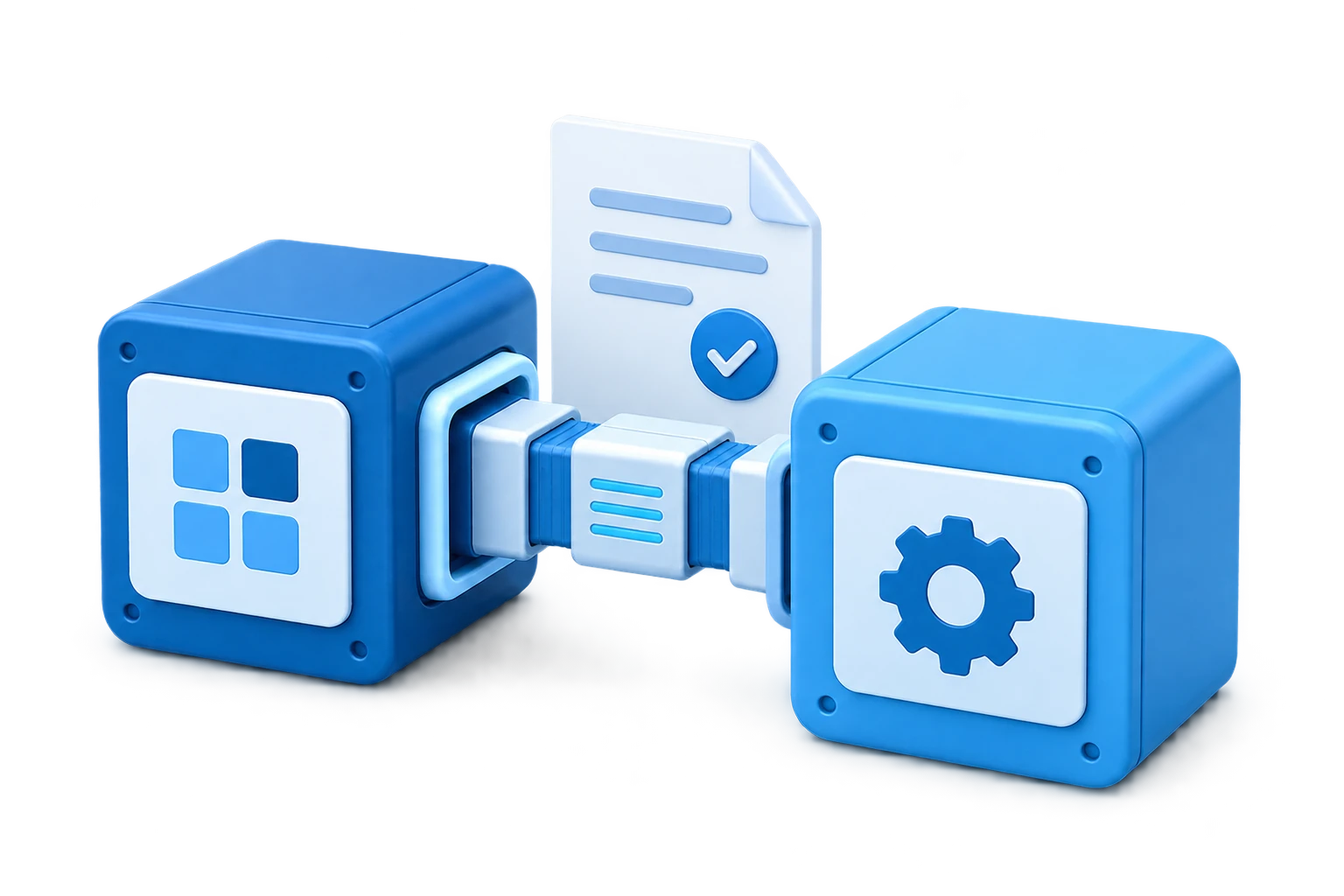
When the solution must support more volume, new channels and heavier business rules
We structure architecture to support growth without turning every new demand into a high-risk intervention.
When the company needs to redesign the technical base before evolving product or operations
We define the target architecture and the transition path to leave the current scenario without compromising operational continuity.
WHAT WE DELIVER
Architecture with clear domains, technical standards and long-term decision-making
Domains, modules and responsibilities
- Boundaries organized by domain, context and responsibility
- Clear separation between layers, services and business flows
- Reduced coupling across teams and components
Contracts, events, data and interoperability
- Standards for APIs, queues, events and data exchange
- Versioning, traceability and dependency visibility
- A technical base for growth with less fragility
Resilience, performance and observability criteria
- Scalability and failure-handling guidelines
- Observability designed from the architecture forward
- Non-functional decisions tied to the real context
HOW WE WORK
How we structure architecture that can truly support execution and operations
Reading the current scenario, the limits of the existing base and the risks of evolution
We understand systems, flows, integrations, bottlenecks and constraints that actually shape the architectural decision.
Target architecture design with clear technical and operational criteria
Once domains, contracts, standards and non-functional requirements are organized, the technical base no longer depends on implicit decisions.
A transition plan compatible with the current operating moment
We structure backlog, slices and implementation order so the team can move from design into execution without unnecessary disruption.
Evolution governance to avoid architectural regression
We keep criteria, standards and visibility strong enough for the solution to remain healthy as new demands arrive.