

WHEN IT MAKES SENSE
When integration stops being a technical detail and becomes an operational risk
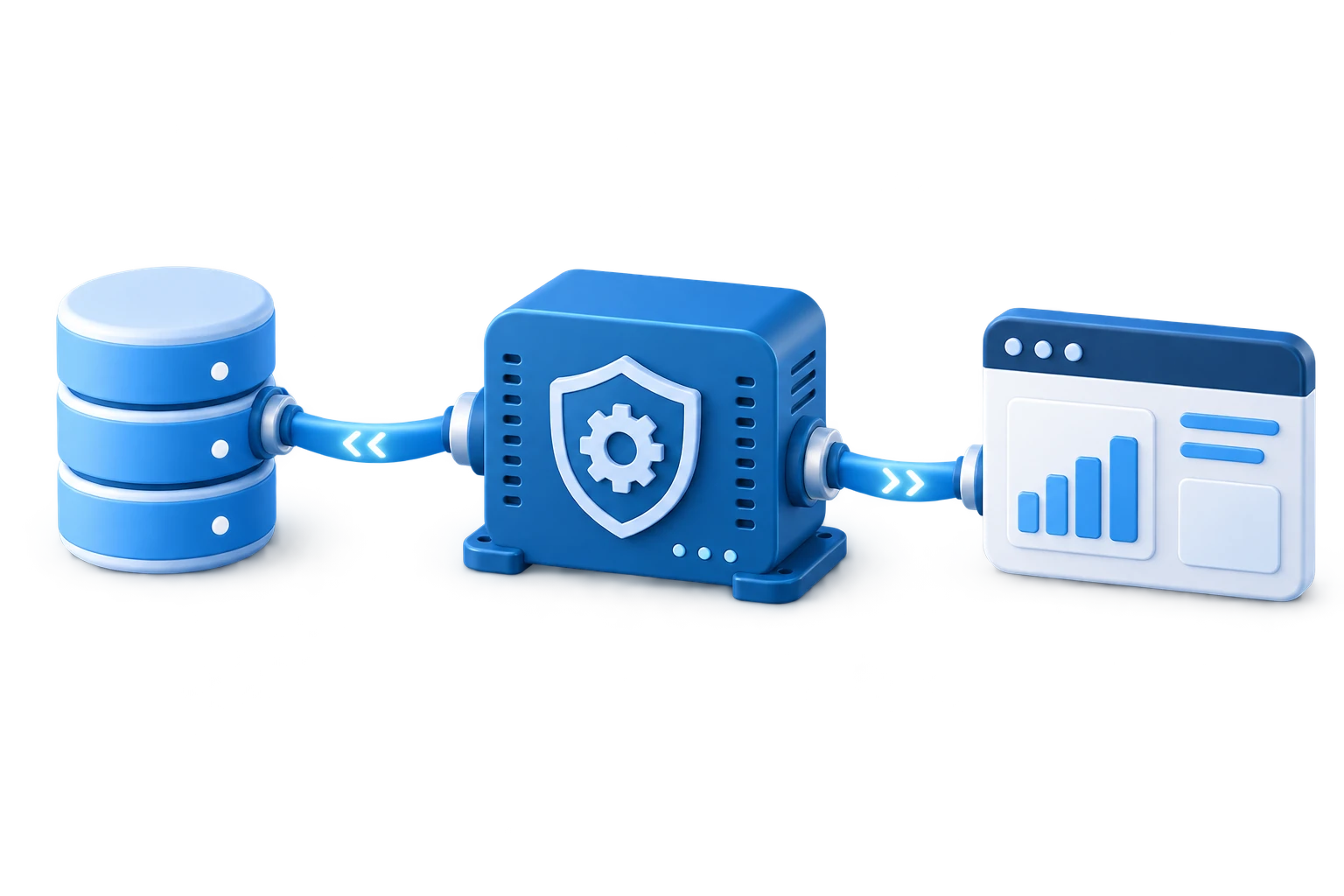
When the same information is born in one system and arrives wrong in another
We structure data flow between platforms to reduce inconsistency, rework and loss of confidence in decision-making.
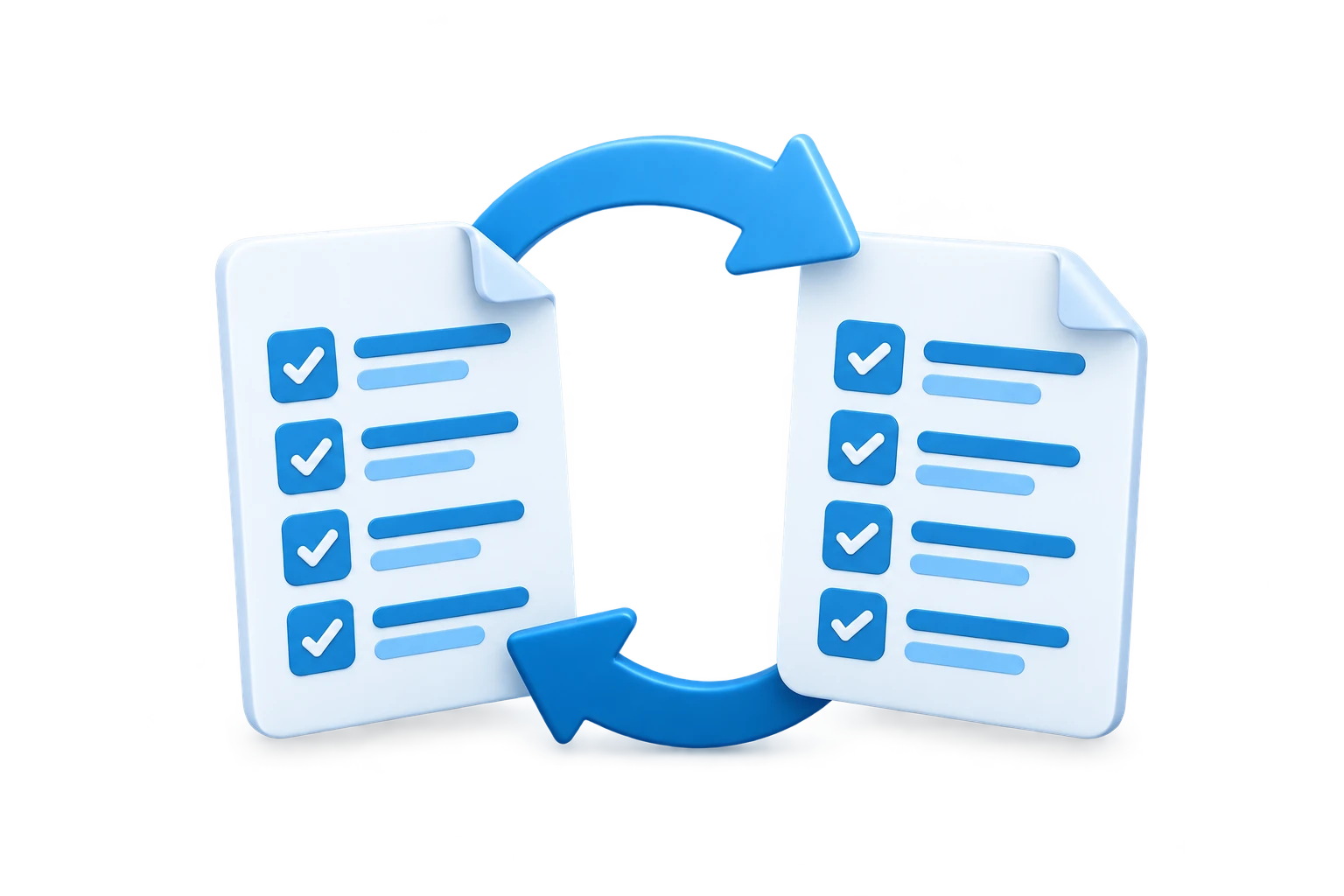
When the process depends on copy, paste, checking and resending across tools
We automate critical points so the process can move with less friction and more operational predictability.
When volume grows and current integrations begin to fail or slow down
We redesign integration flow to support load growth, traceability and continuity of operations.
WHAT WE DELIVER
What we deliver in integration and flow automation initiatives
APIs, webhooks and events for reliable synchronization
- Synchronous and asynchronous integrations depending on the use case
- Clear contracts, versioning and payload handling
- Foundation for automation across channels, systems and services
Orchestrated flow between ERP, CRM, legacy systems and platforms
- Connections between critical steps of the operation
- Synchronization of data, statuses and relevant events
- Less manual handoff between teams and tools
Traceability, failure visibility and support for the running flow
- Logs, monitoring, alerts and exception handling
- Mapping of dependencies, idempotency and retry logic
- Foundation for support, audit and continuous improvement
HOW WE WORK
How we design integrations that remain stable after go-live
Reading the end-to-end flow and business events
We understand the systems involved, where data comes from, where it goes, which events matter most and how failure affects the real process.
Designing the integration architecture and its contracts
Not every scenario requires the same pattern. We define the approach based on criticality, frequency, volume and business dependencies.
Implementation with observability, retries and error control
The integration is built with visibility for error analysis, auditability and operational follow-up from the start.
Support and continuous adjustment as volume and process change
Critical integrations change along with the business. That is why we treat stability, adaptation and operational visibility as part of the solution.