

WHEN IT MAKES SENSE
When the legacy system still sustains the business, but has already become a brake on change
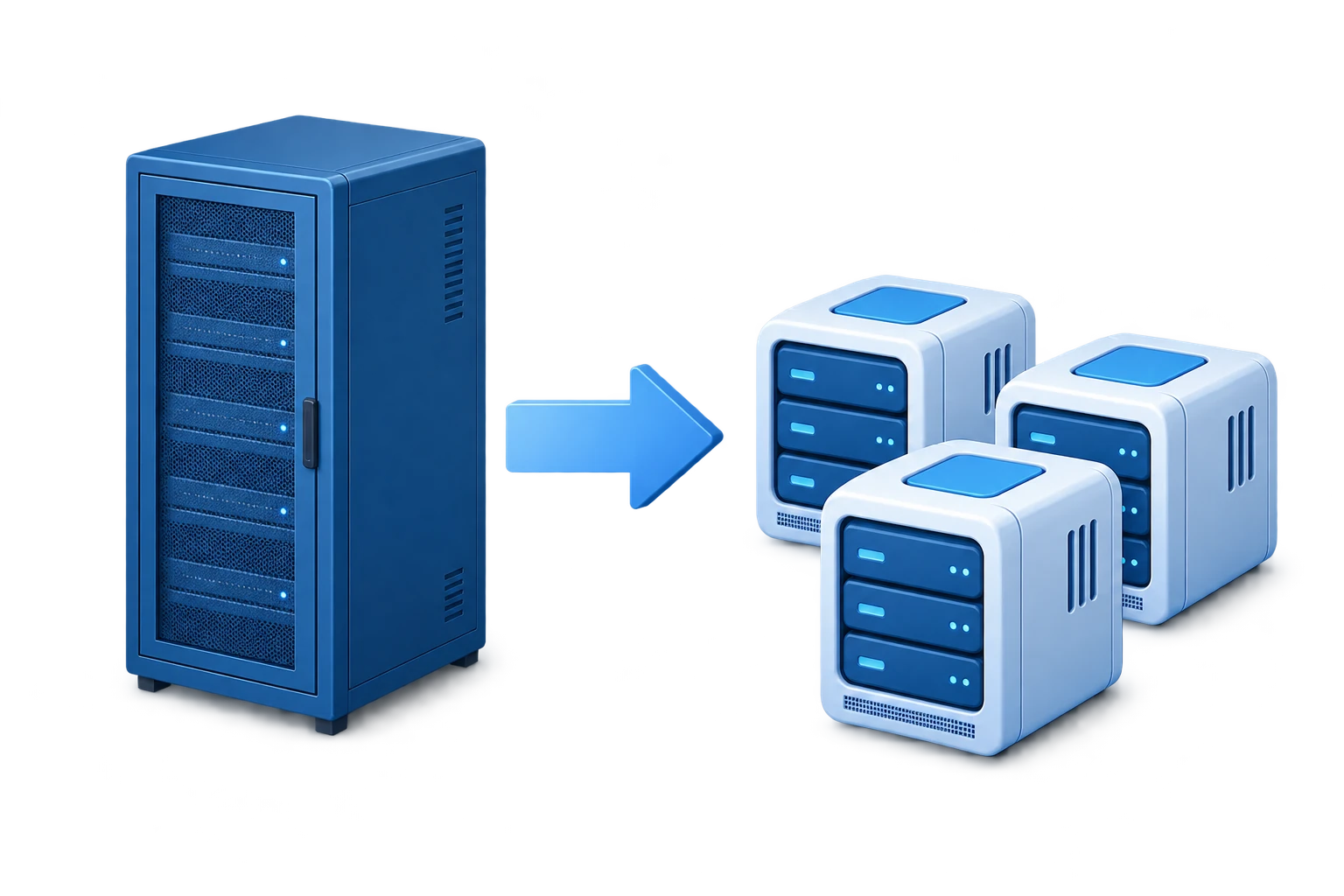
When the current system is too critical to shut down and too unstable to keep unchanged
We structure legacy evolution while preserving operations and reducing exposure to failures, downtime and concentrated knowledge.
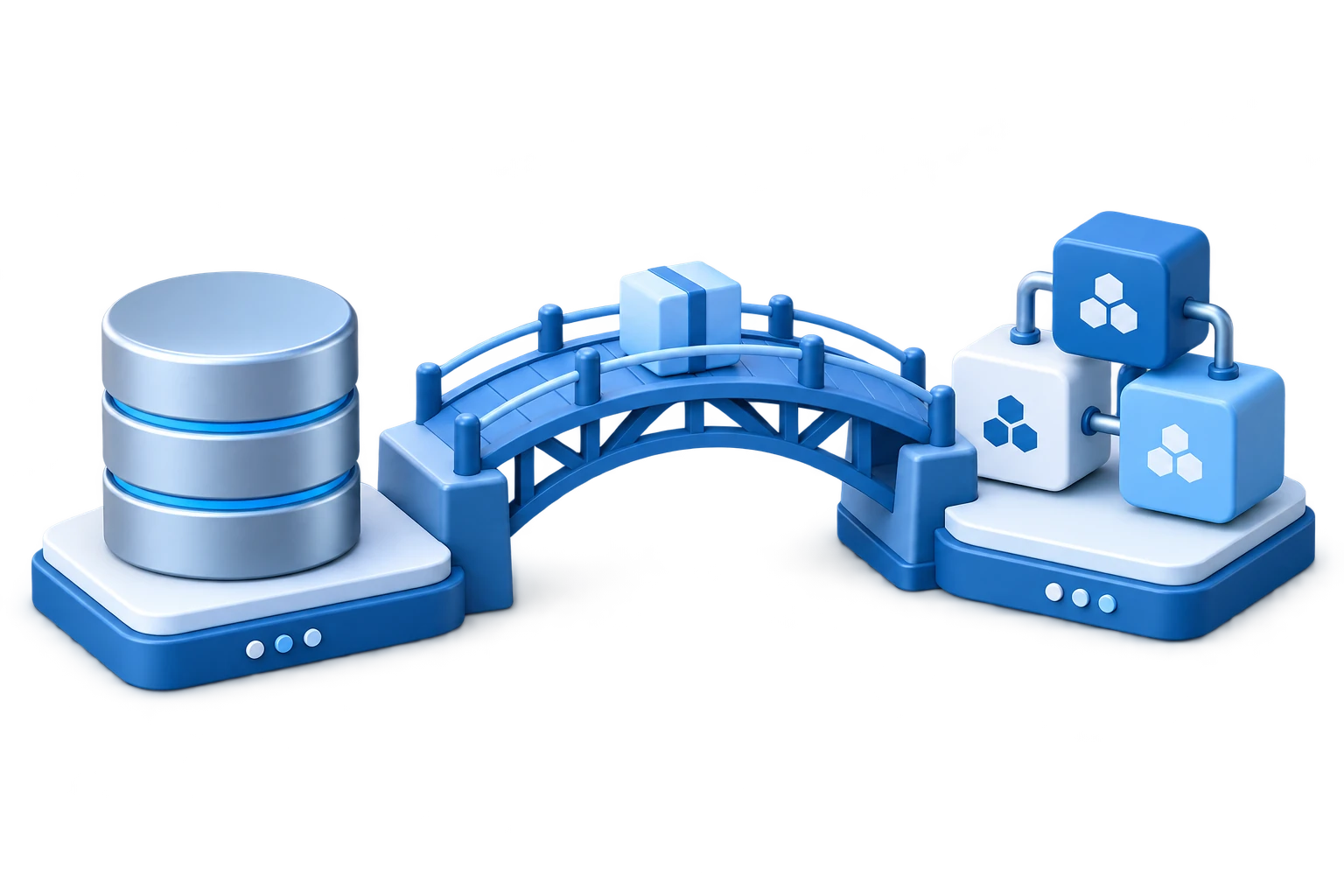
When any small adjustment takes too long and increases regression risk
We tackle the highest-impact points of coupling, duplication and fragility so the team can recover its ability to evolve.
When the legacy base blocks new integrations, channels or adjacent modernization efforts
We reorganize interfaces and layers to open space for new fronts without requiring invasive change everywhere at once.
WHAT WE DELIVER
Modernization guided by risk, continuity and progressive control gains
Technical reading of the legacy base and impact-based prioritization
- Mapping of critical components, dependencies and bottlenecks
- Identification of what must be preserved, isolated or rebuilt
- Clear criteria to attack the highest-risk or highest-cost areas first
Decoupling, coexistence and incremental migration
- Slices that replace parts of the system without breaking operations
- Controlled coexistence between old and new capabilities
- Foundation for replatforming, refactoring or gradual evolution
A safer technical base for future releases
- Organization of tests, observability and quality criteria
- Better system readability and less dependence on tacit knowledge
- Recovered capacity to evolve without permanent patchwork
HOW WE WORK
How we modernize legacy without turning the transition into a new risk
Reading the legacy base with focus on criticality, coupling and operational risk
The starting point is understanding what the system truly sustains, where fragility lives and what cannot be interrupted.
Designing a modernization path compatible with operating capacity
We prioritize slices of evolution that generate real gains without depending on an immediate full replacement.
Incremental execution with controlled coexistence between legacy and new parts
Modernization happens in verifiable cycles, with operational validation and gradual reduction of the most critical debt.
Consolidating the new base so evolution remains possible after the transition
The delivery has to leave the environment more governable, more testable and less dependent on improvised decisions.